

Occoneechee Speedway sits just outside Hillsborough, North Carolina, and holds a special place in NASCAR history. It’s the only dirt track from NASCAR’s very first season in 1949 that’s still around today. The track actually started out as a horse racing venue built by Julian S. Carr on land with a rich Native American heritage. Years later, NASCAR founder Bill France Sr. caught sight of the track from his plane and saw its potential for stock car racing. In 1949, Occoneechee opened to roaring crowds, quickly becoming the setting for some of the sport’s earliest legends.
Fans flocked to the speedway to watch thrilling races and see legendary drivers like the Flock brothers, Fireball Roberts, Curtis Turner, Lee and Richard Petty, Buck Baker, Ned Jarrett, and Wendell Scott, who made history as the first African American to win a Cup race. Trailblazing women like Sara Christian and Louise Smith also raced here, with Smith earning fame for walking away from a wild crash and coming back to compete. The track later became known as Orange Speedway, and while its layout changed over time, its reputation for excitement never faded.
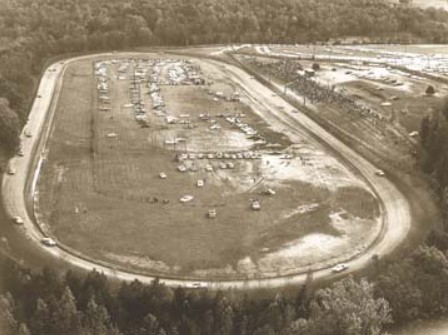
When Sunday racing was banned in 1968, Occoneechee closed its gates, but that wasn’t the end of the story. The site was eventually preserved as a piece of racing history. Today, you can still walk the clay oval and sit in the old grandstands, now surrounded by peaceful woods and walking trails. Occoneechee’s legacy lives on through dedicated preservation efforts, a nod in Pixar’s “Cars 3,” and a feature on Dale Earnhardt Jr.’s “Lost Speedways”—all helping to make sure this iconic track is never forgotten.
Written By John G. Clark Jr.